



 Introducing the FAFSA: Let the Funds Begin
Getting financial aid starts with the Free Application for Federal Student Aid or FAFSA.
By filling it out, you apply for the U.S. Department of Education’s federal student aid programs, the largest source of student aid in America. In many cases, you’re also automatically applying for funds from your state and your school as well.
You might be eligible if all of these apply to you:
See if you are eligible by reading more here.

 Are you about to attend a college fair or meet the admissions representative at your school? Don’t forget the rules of good etiquette. Just like learning about table manners, proper introductions, and social graces, there are some things you can do to make your experience as successful as possible.
Begin by introducing yourself to the person behind the table. A firm handshake and a smile will go a long way. Ask them questions about their school’s admissions policies, academics, and activities if you are one-on-one with the representative. If there is a large group of people at the table, he or she may choose to give an overview of the institutions information to the group. You may hear the answer to your questions over a 15 minute period and save both you and the representative time and effort.
At a college fair, you may be asked to fill out an information card, so be sure to do it at that table. Using a neighboring college’s table could cause some hard feelings between representatives. It will take a few days for information to be sent to you, so please be patient. If you have preregistered for the college fair online, you will receive a bar code that can be used at the machine on the table to scan your personal information such as name, address, and contact information. I have also seen students pre-print labels with this same contact information making the card a snap to complete. This allows for more time to talk to the representative.
Make a good first impression. This is your chance to show the admissions representative you are interested in learning about their institution. Turn your cell phone off and wait until later to text your friends. Give these representatives your undivided attention. Read on for more rules of college fair etiquette.

 If the college allows you to have an interview, take them up on that opportunity. It will show them demonstrated interest in their program. I know you may be nervous, so practice your responses with family members, counselors, or friends before you meet. Remember to turn off you cell phone before the interview starts. Arrive on time, greet the admissions representative with a solid handshake and a smile. Remember to maintain eye contact through out your time together. Take a moment to think before you answer your questions, highlight your academic and extracurricular accomplishments, and place a positive focus on your past. Do your research about the university, share information about your visit to their institution if had one, and prepare some questions for your interviewer to answer. Read more to learn more tips for the college interview.

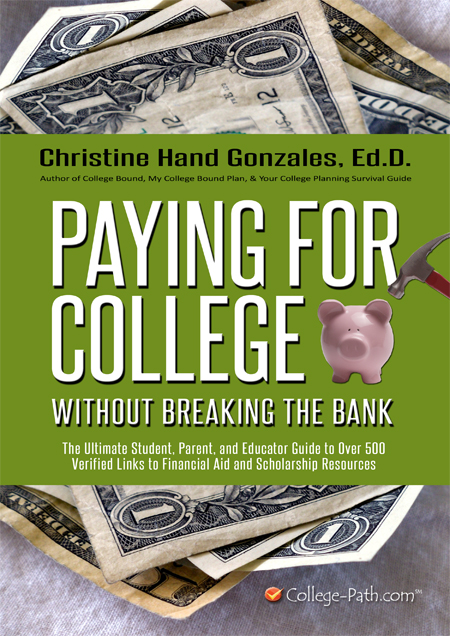 Don’t wait…get started with your search now with Paying for College Without Breaking the Bank: The Ultimate Student, Parents, and Educator Guide to Over 500 Live Links to Financial Aid and Scholarship Resources by Christine M. Hand Gonzales, Ed.D.
Paying for College Without Breaking the Bank takes you through the college planning timeline and the financial aid application process along with additional tips and resources. It will show ways to approach counselors, teachers, or moderators to request an effective letter of recommendation, and give tips on self-marketing through the scholarship application essays. It will help you:
Available in eBook for $4.99 and paperback for $9.99! Click here for Amazon. Also on BarnesandNoble.com.
Click here for free downloads Reading Apps from Amazon for PC, Mac, iPad, and other devices for Kindle Version. Click here for free download Reading Apps from Barnes and Noble for PC, Mac, iPad and other devices for Nook Version.

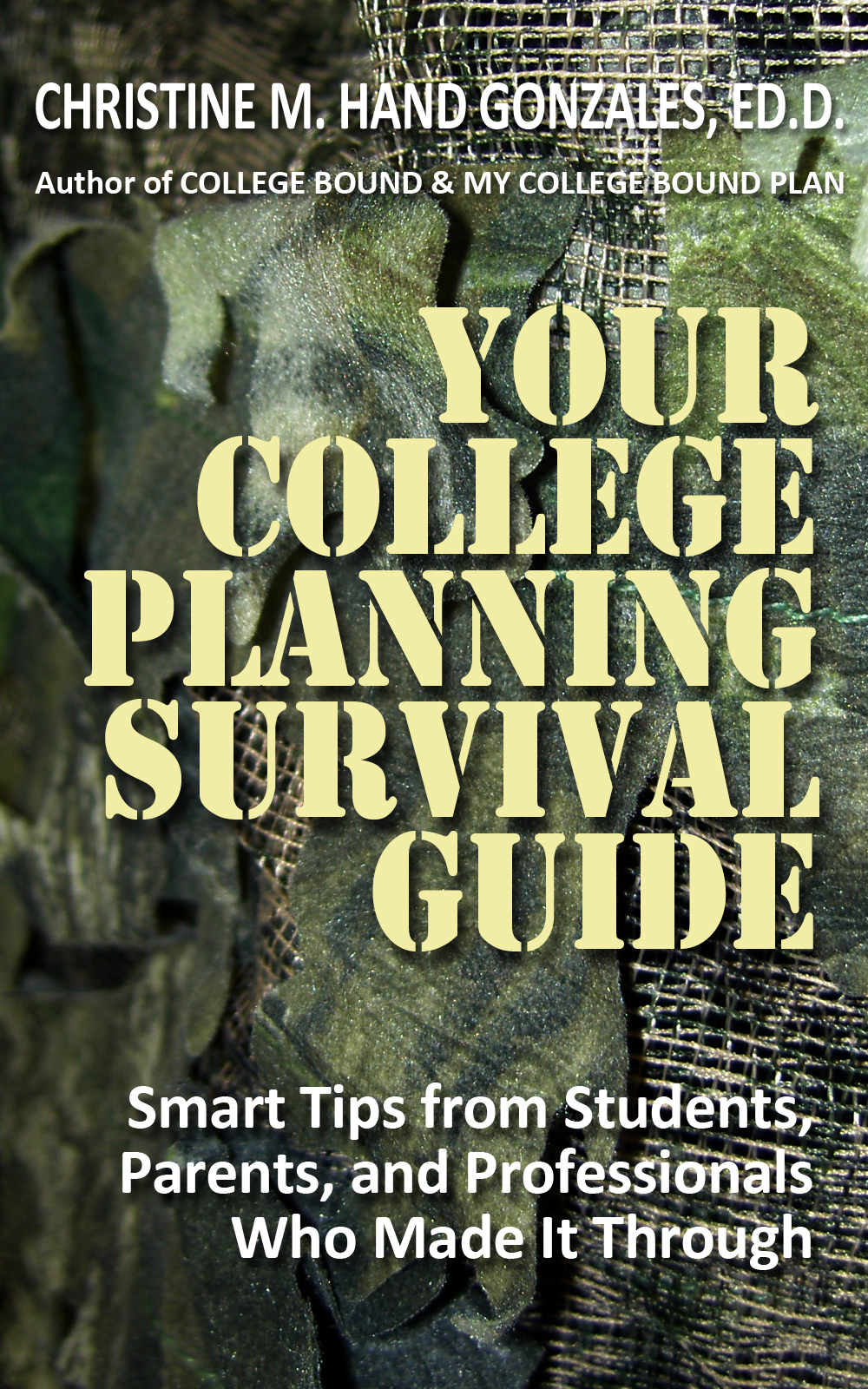 Check it Out! Your College Planning Survival Guide: Smart Tips From Students, Parents, and Professionals Who Made it Through
Available as an eBook on Amazon $4.99 or in Paperback for $9.99!
In Your College Planning Survival Guide: Smart Tips From Students, Parents, and Professionals Who Made it Through, professional college planning consultant Christine M. Hand-Gonzales, Ed.D., provides tactical tips and proven techniques to make the most of the career search and college application process through an insightful and well-organized resource guide. Over 300 tips from those individuals that have been there, done that!
Students and parents offered their insights by answering the question; “If you knew then what you know now, what would you have done differently during your college planning process?” As the saying goes, “Hindsight is 20/20!” Read More About Tactical Tips in College Planning – click here!

 Today you are in
“a most useless place.
The Waiting Place . . .
Waiting for the fish to bite . . .
or Another chance.
Everyone is just waiting.”1
All your college applications have been turned in. Your financial aid forms have been submitted. You are in what Dr. Seuss refers to as “The Waiting Place.” Waiting for the colleges to which you applied to let you know – yes, no or wait listed.
“The Waiting Place” is a great place to stop and acknowledge your accomplishments over the past 4 years. You have successfully navigated one of the most challenging times of your life so far – high school. And in the 4 months between September and December, you added to your already full plate – multiple college applications and essays, college visits, college interviews on top of all your senior classes and activities. Congratulations, you have much for which to be commended. And now what should you do now that you’ve submitted your Free Application for Federal Student Aid (FAFSA)?
Welcome to “The Waiting Place” Read more- click here.